
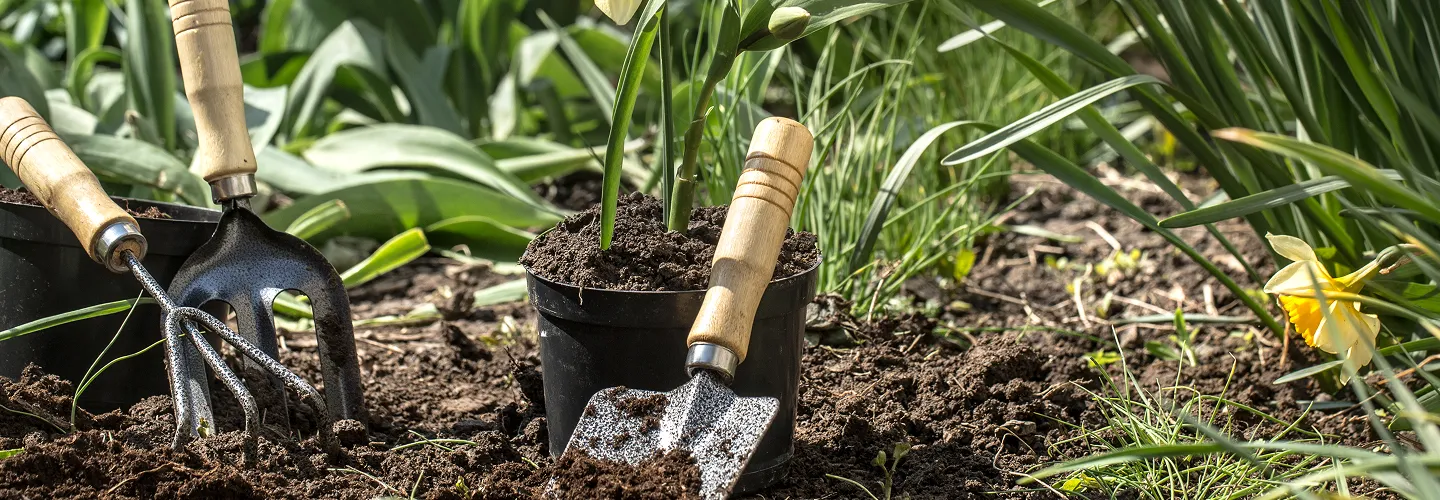
East Lake Green Waste Disposal Services
Choose our Green Waste Disposal service for reliable, environmentally responsible removal that keeps your property clean and supports a healthier community—experience hassle-free pickups, expert handling, and a commitment to sustainability.
Get a Free QuoteOur East Lake Landscaping & Yard Care Services
When to Schedule Green Waste Disposal in East Lake, Florida – Seasonal Guide
In East Lake, Florida, the best times for green waste disposal are closely tied to our unique subtropical climate and the rhythms of local plant growth. With mild winters and hot, humid summers, most homeowners in neighborhoods like Lansbrook and Woodfield find that late winter through early spring is ideal for major yard cleanups. This timing allows you to clear away debris before the growing season accelerates, while also avoiding the peak of hurricane season when sudden storms can add unexpected waste.
Local environmental factors play a significant role in scheduling. For example, the last frost date in East Lake typically falls in early February, making late winter a safe window for pruning and disposal. High humidity and frequent summer rains can accelerate plant growth, especially in shaded areas near John Chesnut Sr. Park, leading to more frequent green waste accumulation. Additionally, sandy soils common in our area can impact how quickly organic material breaks down, influencing how often disposal is needed. For more information on local guidelines and resources, visit the Town of Sudbury's official site.
Local Factors to Consider for Green Waste Disposal in East Lake
- Tree density and types of vegetation in your yard
- Proximity to water bodies or wetlands
- Seasonal precipitation and drought risk
- Shade coverage from mature oaks and pines
- Soil type (sandy vs. loamy)
- Municipal restrictions or scheduled pickup dates
- Terrain and ease of access for disposal vehicles
Benefits of Green Waste Disposal in East Lake
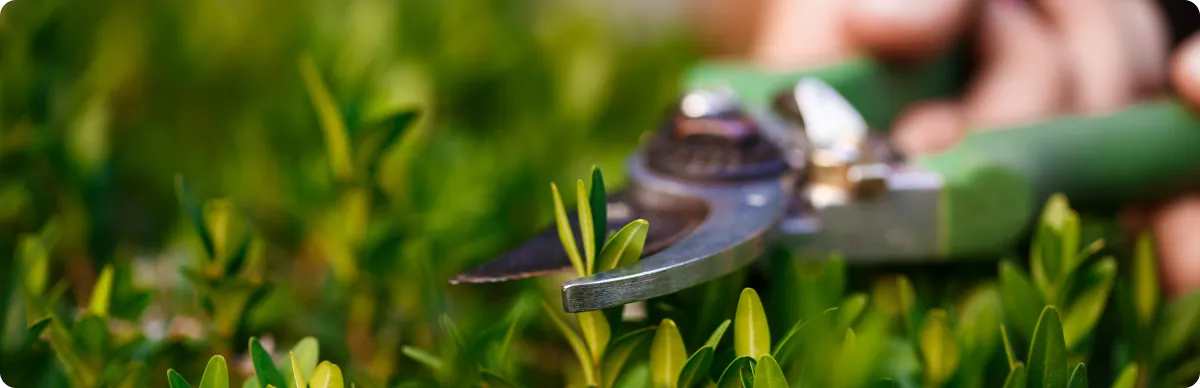
Eco-Friendly Landscaping Solutions
Efficient Green Waste Removal
Promotes Healthy Plant Growth
Reduces Landfill Waste
Improves Curb Appeal
Supports Sustainable Practices
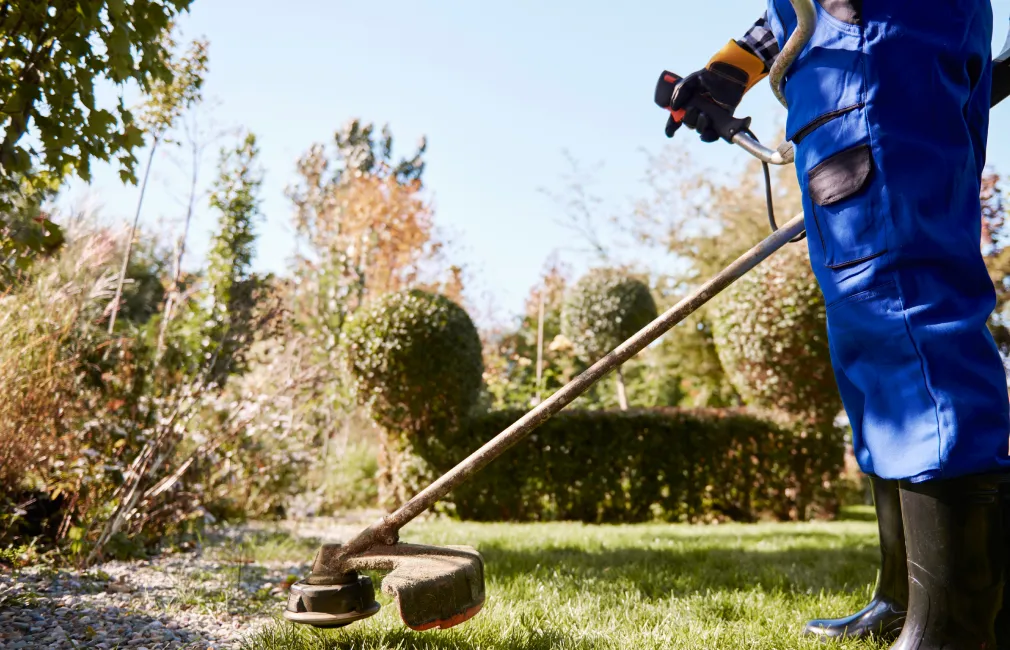
East Lake Green Waste Disposal Types

Grass Clippings
-
Tree Branches
-
Shrub Trimmings
-
Leaves
-
Weeds
-
Garden Plants
-
Wood Chips
Our Green Waste Disposal Process
Collection of Green Waste
Sorting and Separation
Transport to Disposal Facility
Eco-Friendly Processing
Why Choose East Lake Landscape Services
-
East Lake Homeowners Trust Us
-
Expert Lawn Maintenance
-
Reliable Scheduling
-
Competitive Pricing
-
Professional Team
-
Satisfaction Guarantee
-
Personalized Service
Coordinating Green Waste Disposal with Pinellas County Public Works in East Lake
Green waste disposal in East Lake, FL is managed through coordinated efforts with the Pinellas County Public Works Department, which oversees the collection and proper routing of yard debris, including leaves, grass clippings, branches, and other vegetative material. Residents and property managers must ensure that green waste is separated from household trash and placed at the curb in accordance with county guidelines. Bundling branches, using approved containers, and keeping debris clear of storm drains are essential steps to prevent blockages and maintain neighborhood drainage. For larger volumes or storm debris, special collection procedures may apply, and residents should verify current requirements with the department. The county emphasizes keeping green waste out of canals and swales to protect water quality and infrastructure.
Pinellas County Public Works Department
14 S. Fort Harrison Ave., Clearwater, FL 33756
Phone: 727-464-8900
Official Website: Pinellas County Public Works Department
How East Lake’s Gulf Coast Climate and Soils Shape Green Waste Disposal
East Lake is situated within the Gulf Coast Florida region, characterized by a humid subtropical climate, high summer rainfall, and sandy, well-drained soils. These conditions influence both the volume and timing of green waste generation. Key local factors include:
- Frequent summer thunderstorms: Rapid vegetative growth and storm debris accumulation require timely disposal to prevent clogging of swales and storm drains.
- Sandy and fill-based soils: These soils drain quickly but can allow nutrients and organic matter to leach into nearby water bodies if green waste is not managed properly.
- Proximity to lakes, ponds, and canals: Many neighborhoods border sensitive water features, increasing the importance of keeping yard debris out of drainage systems to protect water quality and prevent algal blooms.
The USDA Plant Hardiness Zone for East Lake is 10a, supporting year-round plant growth and resulting in continuous green waste production. Residents should be aware that improper disposal can contribute to nutrient runoff and local flooding.
Regulatory Requirements and Environmental Compliance for Green Waste in East Lake
Green waste disposal in East Lake is subject to both county and state regulations designed to protect public health and water resources. Pinellas County Code Enforcement monitors compliance with property maintenance and debris management standards. Residents must adhere to municipal rules regarding the placement, bundling, and timing of yard waste set-outs. Additionally, the Florida DEP NPDES Stormwater Program requires municipalities to implement measures that prevent organic debris from entering stormwater systems, in accordance with the Clean Water Act. Violations, such as dumping green waste into canals or blocking storm drains, may result in enforcement actions. For questions about code requirements or to report concerns, contact the county’s code enforcement office.
Pinellas County Code Enforcement
440 Court St., Clearwater, FL 33756
Phone: 727-464-4761
Official Website: Pinellas County Code Enforcement
Professional Standards and Timing for Green Waste Collection in East Lake
Effective green waste disposal in East Lake relies on following professional standards that account for local climate and infrastructure. Key considerations include:
- Separate green waste from other refuse to ensure proper processing and avoid contamination.
- Bundle branches and cuttings to manageable lengths, as specified by county guidelines, to facilitate collection and prevent equipment jams.
- Schedule disposal after major storm events to address increased debris, but avoid placing waste in the street or near storm drains.
- Monitor wet-season growth (typically June through September) and adjust disposal frequency to match increased yard maintenance needs.
- Keep debris piles clear of swales, inlets, and canal edges to prevent blockages and protect water quality, as recommended by the EPA Stormwater Discharges from Municipal Sources.
For questions about collection timing or standards, residents may consult the county’s public works department or review local guidance documents.
What Neighborhoods Do We Serve Throughout East Lake, FL?
- Lansbrook This master-planned community features extensive irrigation systems, mature landscaping, and numerous ponds, requiring careful green waste management to protect water features.
- Woodfield Known for larger lots and wooded areas, Woodfield generates significant brush and leaf debris, especially after summer storms.
- East Lake Woodlands With golf course frontage and HOA oversight, this area emphasizes strict yard waste containment and regular collection to maintain curb appeal and drainage.
- Ridgemoor Ridgemoor’s network of lakes and retention ponds makes it essential to keep green waste out of swales and storm drains to prevent water quality issues.
- Cypress Lakes Estates This neighborhood’s mature tree canopy and shaded lots result in year-round leaf and branch accumulation, requiring consistent disposal practices.
- Turtle Creek Turtle Creek’s proximity to wetlands and preserves increases the importance of preventing organic debris from entering sensitive drainage corridors.