
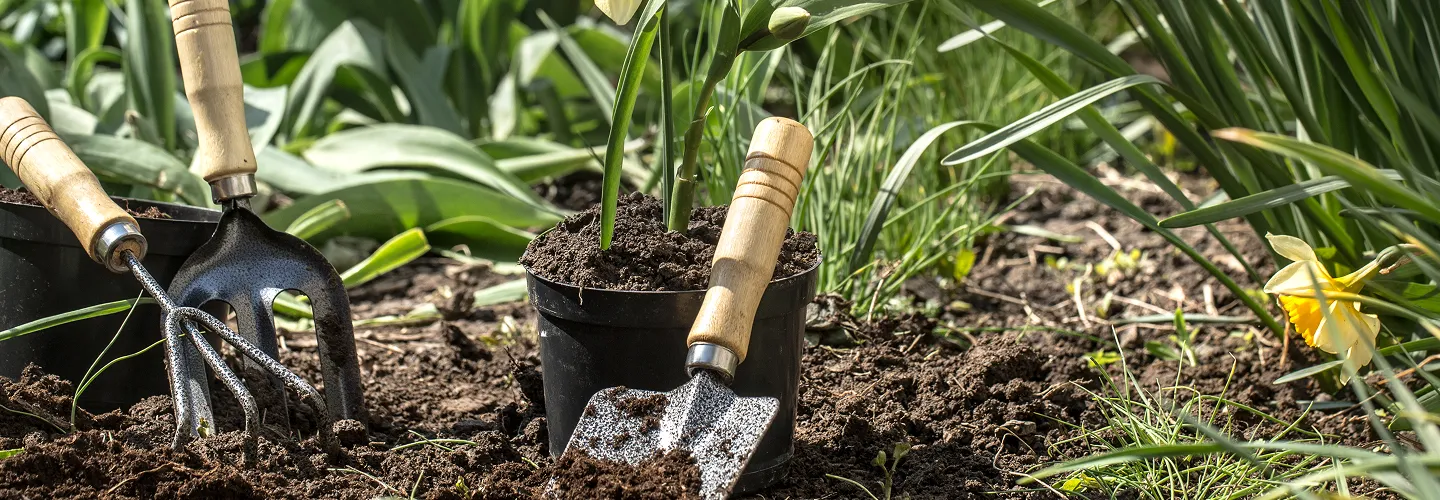
East Lake Flower Planting Services
Choose our flower planting services for vibrant, expertly arranged blooms that enhance your curb appeal and thrive all season long—bringing beauty and value to your home.
Get a Free QuoteOur East Lake Landscaping & Yard Care Services
When to Schedule Flower Planting in East Lake, Florida – Seasonal Guide
In East Lake, Florida, timing your flower planting is crucial for vibrant, long-lasting blooms. The region’s subtropical climate means mild winters and hot, humid summers, so the best planting windows are typically late winter through early spring and again in early fall. Planting during these periods allows flowers to establish strong roots before the peak summer heat or occasional winter chills. Neighborhoods near John Chesnut Sr. Park and along East Lake Woodlands benefit from slightly cooler microclimates and well-drained soils, making them ideal for a wider variety of flower species.
Local environmental factors such as the last frost date—usually in early February—should guide your planting schedule. Areas with dense shade from mature oaks, like those in Lansbrook, may require shade-tolerant varieties, while properties closer to Lake Tarpon should consider soil moisture and drainage. For more information on local planting guidelines and municipal considerations, visit the official Sudbury resource.
Local Factors to Consider for Flower Planting in East Lake
- Tree density and available sunlight
- Soil type and drainage, especially near lakes or wetlands
- Seasonal precipitation and drought risk
- Humidity levels and their effect on plant health
- Municipal restrictions or HOA guidelines
- Proximity to landmarks like John Chesnut Sr. Park or Lake Tarpon
- Terrain variations, such as sloped yards or low-lying areas
Benefits of Flower Planting in East Lake
Expert Local Knowledge
Customized Plant Selection
Enhanced Curb Appeal
Seasonal Color Variety
Low-Maintenance Solutions
Eco-Friendly Landscaping
East Lake Flower Planting Types

Perennial Flower Beds
-
Annual Flower Displays
-
Native Wildflower Gardens
-
Seasonal Bulb Plantings
-
Pollinator-Friendly Plantings
-
Shade Garden Flowers
-
Drought-Tolerant Flower Beds
Our Flower Planting Process
Site Evaluation
Soil Preparation
Plant Selection
Careful Planting
Watering and Mulching
Why Choose East Lake Landscape Services
-
East Lake Homeowners Trust Us
-
Expert Lawn Maintenance
-
Reliable Scheduling
-
Competitive Pricing
-
Professional Team
-
Satisfaction Guarantee
-
Personalized Service
Coordinating Flower Planting with East Lake’s Parks and Community Development Departments
Flower planting in East Lake, FL, often involves coordination with both the Parks and Recreation and Community Development departments, especially for projects in public-facing areas, medians, or near community amenities. Residents and property managers should be aware that planting in common areas, along right-of-ways, or within HOA-managed landscapes may require review or notification to ensure plantings do not interfere with sightlines, utilities, or drainage features. For larger projects or those adjacent to public infrastructure, it is advisable to consult with the Community Development Department to verify if any site plan review or landscape compliance is necessary. Routine flower bed maintenance on private property generally does not require permits, but any work impacting public land or drainage systems should be coordinated in advance. For public parks or recreation areas, the East Lake Recreation office provides guidance on approved plant palettes and maintenance standards.
East Lake Recreation
3555 Old Keystone Road, East Lake, FL 34685
Phone: (727) 772-1940
Official Website: East Lake Recreation
Pinellas County Community Development
440 Court Street, Clearwater, FL 33756
Phone: (727) 464-8210
Official Website: Pinellas County Community Development
How East Lake’s Gulf Coast Climate and Soils Shape Flower Planting
East Lake is situated in the Gulf Coast Florida region, characterized by a humid subtropical climate, high summer heat, and a pronounced wet season from June through September. These conditions directly influence flower planting success and maintenance:
- Soils are predominantly sandy or fill-based, leading to rapid drainage and increased irrigation needs for shallow-rooted annuals and perennials. The USDA Web Soil Survey can help identify specific soil profiles for your property.
- High humidity and frequent rainfall during the wet season can promote fungal diseases in densely planted beds, making plant selection and spacing critical.
- Proximity to lakes, ponds, and stormwater swales means runoff from fertilized or mulched beds can quickly enter local waterways, requiring careful management to protect water quality.
Selecting regionally adapted, heat-tolerant species and using mulch to moderate soil temperature and moisture loss are essential strategies for sustainable flower planting in East Lake.
Regulatory Considerations and Environmental Compliance for Flower Planting in East Lake
While most residential flower planting does not require a formal permit, several regulatory and environmental compliance factors must be considered:
- Projects near stormwater features, canals, or public rights-of-way may be subject to review by the Community Development Department or Public Works.
- The Florida-Friendly Fertilizer Use Ordinance restricts fertilizer application near water bodies and during the rainy season to prevent nutrient runoff.
- Any use of pesticides or herbicides in flower beds must comply with FDACS Pesticide Applicator Licensing requirements for commercial operators.
- Code enforcement may address overgrown, obstructive, or nuisance vegetation, especially if plantings encroach on sidewalks or block visibility at intersections.
Pinellas County Code Enforcement
400 S. Ft. Harrison Avenue, Clearwater, FL 33756
Phone: (727) 464-4761
Official Website: Pinellas County Code Enforcement
Professional Standards and Timing for Flower Planting in East Lake’s Climate
Successful flower planting in East Lake requires attention to both timing and technique, given the region’s climate and soil conditions. Key professional standards include:
- Schedule major planting and bed renovation for late winter through early spring, before the onset of the wet season, to allow roots to establish before heavy rains.
- Use mulch at a depth of 2-3 inches to retain soil moisture, suppress weeds, and reduce runoff, as recommended by UF/IFAS Gardening Solutions.
- Group plants by water needs (hydrozoning) to maximize irrigation efficiency and minimize waste, following EPA WaterSense Outdoors guidance.
- Avoid planting in low-lying or poorly drained areas unless using species tolerant of periodic flooding.
- Regularly inspect irrigation emitters and adjust schedules based on rainfall, as watering restrictions may apply during drought periods.
What Neighborhoods Do We Serve Throughout East Lake, FL?
- Lansbrook This master-planned community features extensive HOA-managed landscapes, mature trees, and numerous ponds requiring careful drainage and runoff management for flower beds.
- Woodfield Known for larger lots and wooded settings, Woodfield properties often have shade challenges and benefit from shade-tolerant flower selections.
- East Lake Woodlands This gated golf course community includes both older and newer homes, with irrigation-intensive landscapes and proximity to lakes and fairways.
- Ridgemoor Ridgemoor’s subdivisions are characterized by fill-based soils, newer construction, and HOA landscaping standards that influence plant palette choices.
- Cypress Lakes Estates Large lots and adjacency to natural preserves mean flower planting here must account for wildlife, drainage, and native vegetation compatibility.
- Turtle Creek This area features canal and pond frontage, making runoff control and fertilizer management especially important for flower beds.
- Foxberry Run With a mix of sun and shade exposures and variable lot sizes, Foxberry Run presents diverse planting opportunities and challenges for residents.